Ramzan Package KPK 2026 8558 Online Registration for Ineligible People Sitting at Home
Ramzan Package KPK 2026 8558
Ramzan Package KPK 2026 8558 Every year when Ramadan approaches, families across Pakistan begin preparing for the holy month. In many homes, this preparation includes buying extra groceries for Sehri and Iftar. However, due to rising inflation and increasing food prices, these preparations have become difficult for low-income households. In many markets across Khyber Pakhtunkhwa, basic food items such as flour, sugar, cooking oil, and pulses have become expensive. For families already living with limited income, the financial pressure during Ramadan becomes even greater.
To address this challenge, the Khyber Pakhtunkhwa government has introduced the Ramzan Package KPK 2026. This relief program aims to support families who are struggling with daily expenses by providing direct financial assistance. According to official announcements, around 1.063 million families across the province are expected to receive Rs 12,500 under this program. The goal is to help families manage grocery expenses during Ramadan so they can focus on the spiritual aspect of the holy month rather than financial worries.
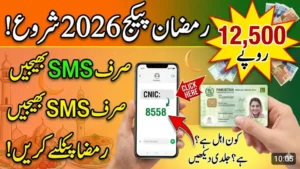
Many beneficiaries have started receiving confirmation messages from 8558, which has created curiosity among citizens. This message usually indicates that a household has passed the initial verification process and may soon receive payment instructions. Understanding how this system works is important for families who want to check their eligibility or confirm their payment status.
Key Highlights of the KPK Ramadan Assistance Initiative
The Ramadan relief initiative launched by the provincial government focuses on helping the most vulnerable families in society. Instead of distributing food items through complicated subsidy systems, the government has chosen a more practical method: direct financial assistance. This approach allows families to buy groceries according to their own needs and preferences.

The program is designed to be transparent and efficient. Authorities are using digital databases and verification systems to identify eligible households. Once the verification process is complete, beneficiaries receive an SMS notification and instructions on how to collect their financial support. This system reduces the chances of corruption and ensures that the funds reach the deserving families without unnecessary delays.
Important features of the Ramzan Package include:

- Cash assistance of Rs 12,500 for each eligible family
- Target coverage of more than one million households in Khyber Pakhtunkhwa
- SMS notifications sent from 8558 for confirmation
- Digital verification through government databases
- Payment distribution through secure financial channels
- Focus on supporting low-income and vulnerable households
These highlights show that the government is trying to make the program simple, transparent, and effective for ordinary citizens.
Background of the Relief Initiative for Low-Income Families
For many Pakistani families, Ramadan is not only a time of worship but also a time when household expenses increase. Preparing meals for Sehri and Iftar often requires more food items than usual. Fruits, cooking oil, meat, flour, and sugar become part of daily meals during the holy month. When prices rise, it becomes difficult for families with limited income to manage these expenses.
In different districts of Khyber Pakhtunkhwa, many families rely on daily wages or small jobs to support their households. When inflation increases, their purchasing power decreases significantly. As a result, even buying essential groceries becomes a challenge. The government recognized this issue and decided to introduce a financial relief package to support struggling families.
The Ramzan Package is therefore designed to reduce the economic burden on vulnerable households. Instead of providing limited food subsidies, the government is offering direct cash assistance. This approach gives families the freedom to decide how they want to use the support money according to their household needs.
The main objectives of this relief initiative include:
- Helping low-income families manage Ramadan grocery expenses
- Reducing the impact of rising inflation on household budgets
- Providing quick financial support before Ramadan begins
- Ensuring transparent distribution through digital systems
By focusing on these objectives, the government hopes to make Ramadan easier for families who are facing financial difficulties.
Understanding the Role of 8558 SMS Verification
Many people have seen messages mentioning 8558 and are unsure what it actually means. In the context of the Ramadan relief program, 8558 is commonly used as a notification system through which eligible families receive updates about their payment status.
When the government completes the screening of households through its digital databases, selected beneficiaries may receive a confirmation SMS from this number. This message usually indicates that the household has been verified and may soon receive financial assistance under the Ramadan package.
The verification system generally follows a structured process. First, government authorities collect and analyze data from various welfare databases. Then they identify families who meet the eligibility requirements. After this step, SMS notifications are sent to inform the selected households about their inclusion in the program.
The verification process usually includes the following steps:
- Screening of families through official government records
- Identification of low-income households based on financial data
- Shortlisting of eligible beneficiaries
- Sending confirmation messages through 8558
- Providing instructions for receiving the payment
For citizens, receiving an SMS from 8558 often means their case has moved to the verification or payment stage.
Eligibility Criteria for Receiving the Rs 12,500 Ramadan Assistance
The Ramzan Package is mainly designed for families who belong to financially vulnerable groups. Government authorities rely on official records and welfare databases to determine which households qualify for the program. This system helps ensure that assistance reaches the people who genuinely need financial support.
Generally, families that are already registered in certain welfare programs or identified as low-income households have a higher chance of being selected. However, the final selection depends on official screening and verification processes.
Common eligibility requirements for the program include:
- Residency within the province of Khyber Pakhtunkhwa
- Possession of a valid Computerized National Identity Card (CNIC)
- Belonging to a low-income household
- Household data verified through government databases
- Mobile number registered with the CNIC
These requirements help the government identify families that are most likely to benefit from the relief assistance.
Reasons Why Some Families May Be Marked Ineligible
Sometimes people are surprised to learn that they are not included in the list of beneficiaries. Being marked as ineligible does not always mean that the family is financially stable. In many cases, it simply means that their information was incomplete or outdated in government databases.
For example, if a household has recently changed its address, phone number, or family details but did not update the records, the verification system may fail to recognize them correctly. Similarly, incorrect or missing data can also lead to ineligibility during the screening process.
Some of the common reasons why families may appear ineligible include:
- Outdated CNIC information in government databases
- Mobile number not registered with the identity card
- Household income recorded above the eligibility threshold
- Missing or incomplete data in official welfare records
- Residence outside the targeted province
Understanding these reasons can help families take steps to correct their records and improve their chances of qualifying for future relief programs.
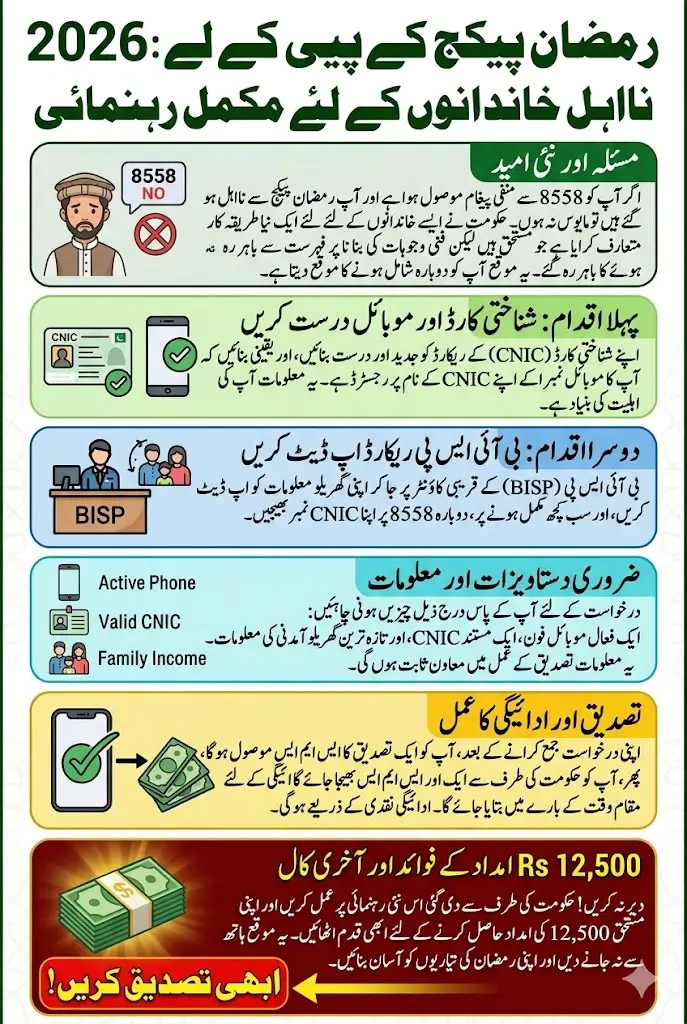
Possible Solutions for Ineligible Families Seeking Assistance
Families who are currently marked as ineligible should not lose hope. In many cases, eligibility can change if personal information is updated or if new verification rounds are conducted by the government. Keeping records accurate and staying informed about official announcements can make a significant difference.
Local administration offices often assist citizens in verifying their household information. Updating CNIC records or linking mobile numbers with identity cards can also improve the chances of being included in future welfare programs.
Helpful actions for families include:
- Updating personal information with relevant government offices
- Ensuring that the mobile number is registered with the CNIC
- Monitoring official announcements about new verification rounds
- Contacting district administration offices for guidance
By taking these steps, families can ensure that their information is correctly recorded in government systems.
Documents and Personal Details Required for Verification
Before checking eligibility or receiving the Ramadan package payment, beneficiaries should keep certain documents ready. These documents help authorities verify the identity of the applicant and confirm their inclusion in the relief program.
The most important requirement is a valid CNIC number, which is used to check household records in government databases. Additionally, beneficiaries may need access to their registered mobile number because important updates are usually sent through SMS alerts.
The following details are typically required during verification:
- 13-digit CNIC number for identity confirmation
- Active mobile phone number linked to the CNIC
- SMS confirmation message received from 8558
- Access to a mobile wallet account if digital payment is used
Keeping these details ready helps ensure that the verification and payment process runs smoothly.
Step-by-Step Guide to Checking Eligibility from Home
Many people prefer to check their eligibility status without visiting government offices. Fortunately, there are simple and safe ways to confirm whether a household has been included in the Ramadan package.
The easiest method is to monitor the mobile phone for SMS notifications. Beneficiaries are often informed through official messages once their information has been verified. In addition, citizens can follow official government announcements through news channels and verified online platforms.
Families can check their status by following these steps:
- Check mobile phone messages for SMS notifications from 8558
- Follow official announcements issued by the KP government
- Visit local administration offices if beneficiary lists are published
- Avoid unofficial websites asking for sensitive personal data
These steps help families stay informed while protecting their personal information from fraud.
How Financial Assistance Will Be Distributed to Beneficiaries
After the verification process is completed, the government begins distributing financial assistance to eligible families. The goal is to ensure that the money reaches households quickly and securely so they can use it during Ramadan.
Authorities may use different payment methods depending on the district and available financial services. However, all methods are designed to be secure and accessible for ordinary citizens.
Ramzan Package KPK 2026 Payment Overview
| Detail | Information |
|---|---|
| Province | Khyber Pakhtunkhwa |
| Assistance Amount | Rs 12,500 per family |
| Target Families | About 1.063 Million |
| Confirmation System | SMS from 8558 |
| Payment Methods | Mobile wallet or CNIC-based withdrawal |
| Purpose | Support Ramadan grocery expenses |
The most common payment channels include:
- Mobile wallet transfers for quick digital payments
- CNIC-based cash withdrawals from authorized centers
- Payments through government-approved partner agents
Beneficiaries usually receive clear instructions through SMS before collecting their funds.
Safety Guidelines to Avoid Fraud During Ramadan Packages
Whenever relief programs are announced, scammers sometimes try to take advantage of innocent citizens. They may send fake messages or claim that they can guarantee registration in exchange for money. Such activities can cause financial loss and create confusion among people.
Citizens should remain cautious and follow only official instructions issued by the government. Remember that legitimate welfare programs do not require any payment for registration or approval.
Important safety precautions include:
- Never pay money for registration or approval
- Do not share CNIC images in public WhatsApp groups
- Never reveal OTP codes or personal PIN numbers
- Ignore agents promising guaranteed eligibility
Following these precautions can help families protect themselves from fraud.
Importance of Digital Transparency in Welfare Programs
Modern welfare programs are increasingly using digital technology to improve transparency and efficiency. In the past, many relief initiatives faced problems due to manual verification systems and the involvement of middlemen. These issues often delayed payments and sometimes prevented assistance from reaching deserving families.
With the introduction of digital verification and SMS notification systems, the process has become much more reliable. Authorities can now track payments, verify identities, and communicate directly with beneficiaries through mobile phones.
Digital transparency offers several advantages:
- Faster identification of eligible households
- Reduced chances of corruption and illegal deductions
- Direct communication between government and citizens
- Improved trust in public welfare programs
These improvements are helping ensure that relief initiatives reach the people who need them most.
Expected Impact of the Ramzan Package on Household Budgets
For many families in Khyber Pakhtunkhwa, even a small amount of financial support can make a meaningful difference during Ramadan. The Rs 12,500 assistance provided under this program can help households purchase essential groceries and manage daily kitchen expenses.
In many homes, the relief money will likely be used to buy flour, cooking oil, rice, sugar, and other items needed for Sehri and Iftar meals. For families struggling with inflation, this support can reduce financial stress and allow them to observe Ramadan with greater peace of mind.
The program is expected to benefit more than one million households, which means its impact will be felt across many communities in the province. By providing direct financial assistance, the government aims to ensure that families can celebrate Ramadan with dignity and stability.



Conclusion
The Ramzan Package KPK 2026 8558 initiative is an important step toward supporting low-income households during one of the most significant months of the year. With more than 1.063 million families expected to receive Rs 12,500, the program has the potential to reduce financial pressure for many citizens across the province.
Families should keep their CNIC records updated, monitor SMS notifications from 8558, and follow only official instructions regarding payment collection. Staying informed and avoiding fraudulent schemes is essential to ensure that the financial assistance reaches the rightful beneficiaries.